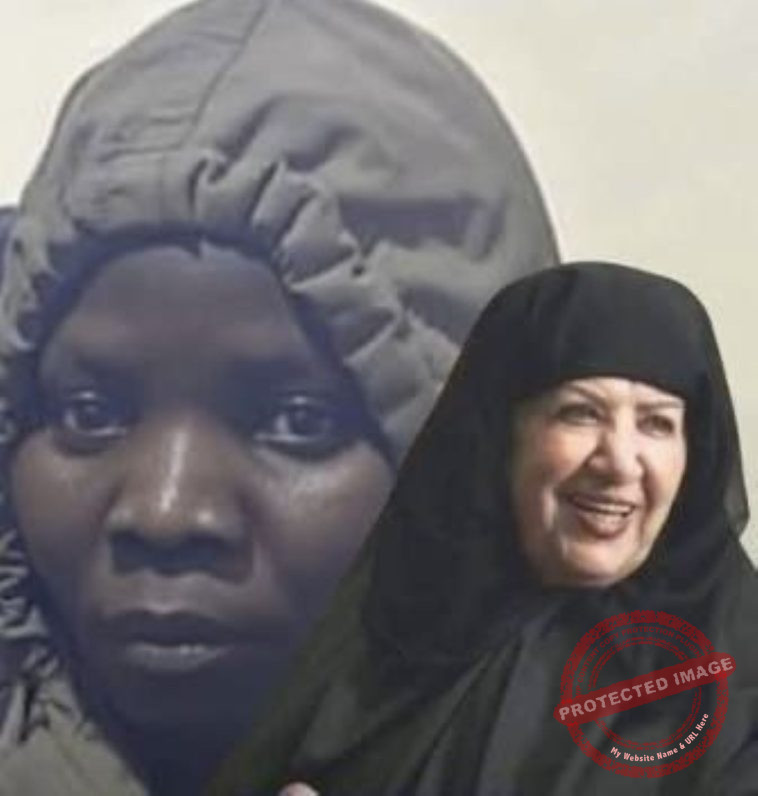
A Ugandan domestic worker has confessed to the killing of veteran Syrian actress Huda Shaarawi, 87, in a case that has sent shockwaves through the Arab entertainment industry and ignited international debate over the treatment of migrant domestic workers in the Middle East.
The suspect, identified as Vicky Ajok, was employed as a housemaid at Shaarawi’s residence in Damascus. Authorities say the actress, widely known for her role as “Um Zaki” in the long-running Syrian television series Bab Al-Hara, was found dead in her home in late January 2026. Investigators described the death as a homicide resulting from a violent altercation inside the residence.
According to Syrian authorities, Ajok was arrested shortly after the incident. In a recorded statement released by the Ministry of Justice and circulated widely online, she admitted responsibility for the killing and expressed remorse. She alleged that she had endured prolonged mistreatment, including physical abuse and disputes over unpaid wages.
“I’m sorry,” she reportedly said in the video statement; while claiming she acted after years of abuse and fear.
Security officials said Ajok briefly fled the scene before being apprehended. Authorities later released footage showing her participating in a reconstruction of events as part of the investigation. Prosecutors have indicated that the case will proceed under Syrian criminal law, where intentional homicide carries severe penalties, including life imprisonment or capital punishment depending on judicial findings and aggravating factors.
The death of Shaarawi has prompted an outpouring of tributes across Syria and the wider Arab world. Over a career spanning decade, she became a household name through her performances in Syrian television dramas. The Syrian Artists’ Syndicate honored her legacy, describing her as a cultural icon whose work shaped generations of viewers.
Beyond the immediate tragedy, the case has reignited scrutiny of labor conditions for migrant domestic workers in parts of the Middle East. Ugandan activists and community leaders have called for thorough investigations into the abuse allegations and stronger protections for workers employed abroad. Social media discussions have focused on recruitment systems, wage disputes, and oversight mechanisms affecting migrant laborers.
The Ugandan government has reportedly initiated diplomatic engagement with Syrian authorities to monitor the legal proceedings and seek assurances of due process. Officials have also emphasized the need to investigate claims of mistreatment raised in the confession.
As the case moves toward trial, it remains at the center of both legal proceedings in Damascus and broader international conversations about migrant worker rights and accountability. Meanwhile, fans across the region continue to mourn the loss of a celebrated actress whose performances left a lasting mark on Syrian television history.

 Shola Akinyele
230 Views
Shola Akinyele
230 Views














 WhatsApp us