
 Shola Akinyele
Follow
X
Follow
In a statement that has ignited global debate and drawn intense scrutiny, former U.S. President Donald Trump claimed that Iranian officials once proposed installing him as the country’s Supreme Leader during covert negotiations to end the ongoing war between Washington and Tehran.
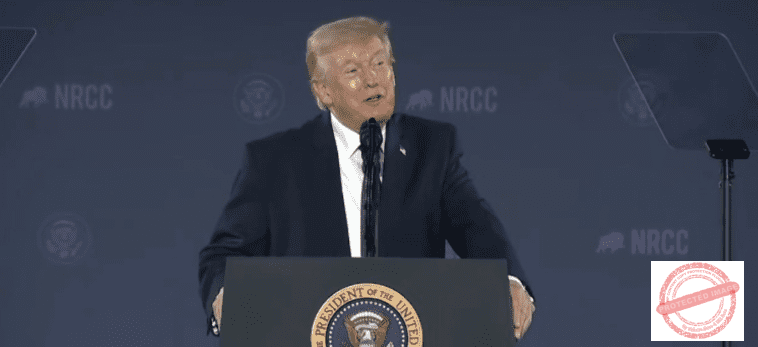
Speaking at a Republican fundraising event, Trump described what he portrayed as a highly unusual diplomatic overture made through intermediaries in Pakistan, Türkiye, and Egypt, amid efforts to de-escalate nearly four weeks of intense conflict.
“Iran wanted to make me their Supreme Leader, but I refused and said no thanks,” Trump told a crowd of supporters, prompting a mix of laughter, applause, and disbelief.
The claim comes amid a rapidly evolving geopolitical crisis that began in late February following coordinated U.S.-Israeli strikes that reportedly killed Iran’s Supreme Leader, Ali Khamenei. His son, Mojtaba Khamenei, is said to have assumed leadership as Iran struggles with significant military and infrastructural losses.
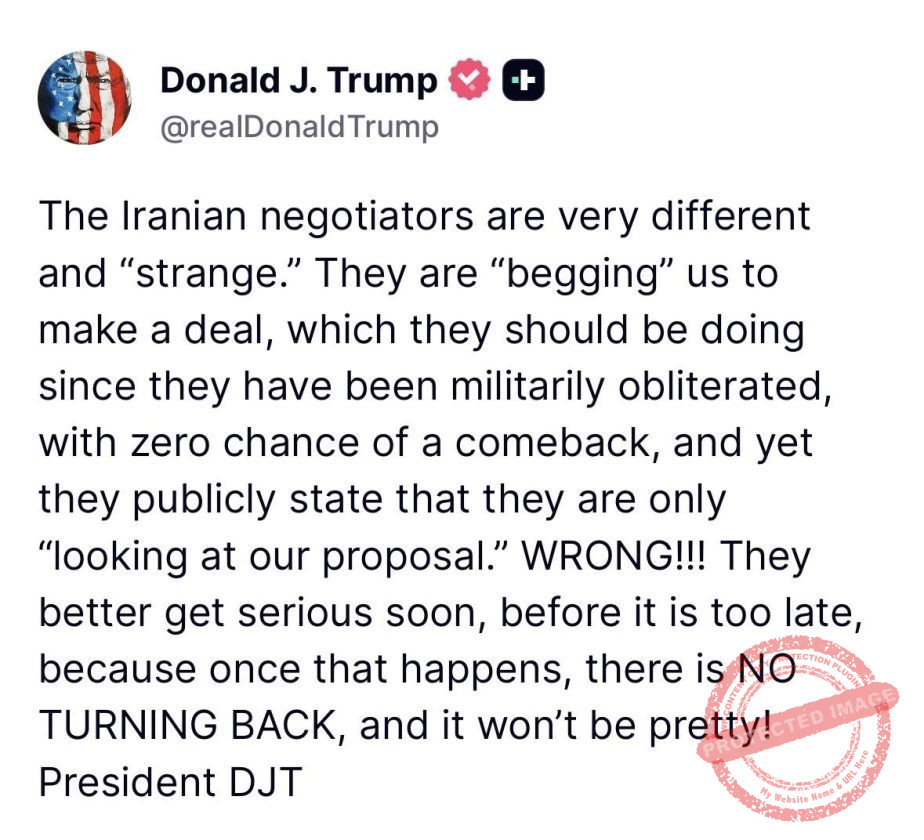
Trump has simultaneously intensified his rhetoric against Tehran. In a recent post on his Truth Social account, he described Iranian negotiators as “very different” and “strange,” accusing them of privately pushing for a deal while publicly downplaying U.S. proposals.
He warned that Iran must act quickly to reach an agreement or face irreversible consequences, stating that failure to do so could lead to actions with “no turning back.”
Reports indicate that U.S. and Israeli forces have struck thousands of targets across Iran, severely degrading its military capabilities, including weapons production, naval operations, and air defense systems. In response, Iran has launched missile and drone attacks targeting U.S. bases and regional allies, though both sides continue to dispute the scale and impact of these strikes.
Despite the escalating war of words, indirect negotiations remain ongoing. Iranian officials have reportedly rejected key aspects of a U.S. ceasefire framework, insisting they are still reviewing the terms—an approach Trump has dismissed as strategic posturing.













 WhatsApp us