Nigeria is facing growing concerns over extreme heat, with temperatures reportedly reaching 41°C in parts of the North as a climate analysis projects that the country could record 31,400 additional heat-related deaths between September 2026 and February 2027.
The projection, attributed to the University of Chicago’s Climate Impact Lab, has intensified concerns about the health risks posed by prolonged high temperatures, particularly for children, older people, outdoor workers and people living with existing medical conditions.
The report, titled 451,000 at Risk, estimates that the Sahel region could experience approximately 66,800 excess heat-related deaths during the six-month period, with Nigeria potentially accounting for nearly half of the projected total. Globally, the analysis forecasts 451,000 additional heat-related deaths between June 2026 and February 2027 compared with a normal year.
However, the figures are projections rather than confirmed deaths, and the underlying report and methodology would need to be independently verified before the estimates can be treated as established forecasts.
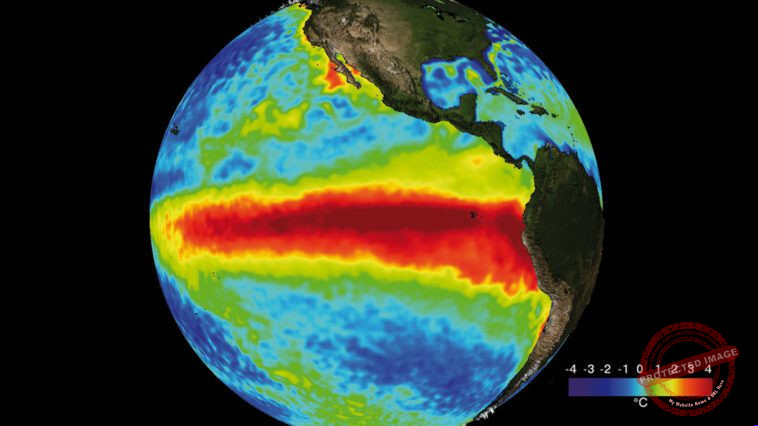
The extreme temperatures have also drawn attention to the possible influence of El Niño, a natural climate phenomenon involving changes in sea-surface temperatures in the tropical Pacific Ocean that can affect weather patterns worldwide.
The term “Super El Niño” has circulated widely in media reports and on social media to describe an exceptionally strong event. It is not, however, an official scientific classification, and the relationship between a particular El Niño episode and extreme temperatures in Nigeria requires careful assessment by climate scientists.
According to the information attributed to the Nigerian Meteorological Agency (NiMet), temperatures have reached 41°C in Nguru, Yobe State, while readings around 34°C have been reported in Lagos. Heat-stress concerns have also been raised for parts of Benue, Nasarawa, the Federal Capital Territory, Kogi, Niger, Kebbi, Cross River, Oyo and Ogun states.
Heat stress occurs when the body cannot adequately regulate its temperature under hot conditions. High humidity, strenuous physical activity, poor ventilation and prolonged exposure to direct sunlight can make the situation more dangerous, even when temperatures are below their daily peak.
Health experts warn that sustained exposure to extreme heat can cause dehydration, heat exhaustion and heatstroke. It can also place additional strain on the heart and kidneys, particularly among people who are already vulnerable.
The risks are especially concerning in communities where unreliable electricity and limited access to cooling facilities make it difficult for residents to escape the heat. Households without functioning fans or air conditioners may struggle to sleep comfortably, while traders, construction workers, farmers, transport operators and other outdoor workers can face prolonged exposure during the hottest hours of the day.
The impact extends beyond health. Extreme heat can reduce productivity, disrupt outdoor economic activities and increase the demand for electricity and water. For low-income households, the cost of obtaining drinking water or accessing cooler accommodation can add to existing financial pressures.
Across social media, Nigerians have responded to the heat with a mixture of humour, practical advice and calls for stronger public intervention. While some have joked about the unbearable weather, others have urged residents to drink more water, avoid unnecessary exposure to direct sunlight and check on elderly relatives and neighbours.
The public response also highlights broader questions about Nigeria’s preparedness for increasingly dangerous heat conditions, including the availability of reliable weather alerts, accessible cooling spaces and adequate healthcare facilities.
Residents are advised to drink water regularly, wear lightweight and breathable clothing, seek shade and well-ventilated spaces, and limit strenuous outdoor activities during the hottest part of the day, particularly between noon and 4 p.m. People should also avoid leaving children or pets inside parked vehicles.
Anyone experiencing confusion, fainting, collapse or other signs of severe heat illness should receive urgent medical attention. Heatstroke is a medical emergency and should not be managed by simply waiting for the person to recover.
Climate adaptation specialists have identified measures such as effective early-warning systems, public cooling centres, accessible drinking-water stations, workplace heat protections and better-equipped health facilities as important ways to reduce heat-related illness and deaths.
Nigeria’s exposure to extreme heat is also part of a wider climate challenge. Human-caused global warming is raising average temperatures and increasing the likelihood or severity of many heat extremes, although the contribution of a particular El Niño event must be assessed separately.
While the projected death toll remains subject to verification, the warning underscores the importance of preparing for dangerous heat before it becomes a public-health emergency. For millions of Nigerians, access to drinking water, reliable electricity, timely weather information and protection from prolonged exposure could prove critical as temperatures rise.

 Shola Akinyele
24 Views













 WhatsApp us
Comments