Police say the suspects allegedly recruited financially vulnerable people for kidney transactions between Nasarawa and Abuja, as investigators work to uncover the full extent of the suspected network.
Nigerian police have arrested several suspects, including medical doctors, in connection with an investigation into alleged illegal kidney trading in Karu, Nasarawa State.
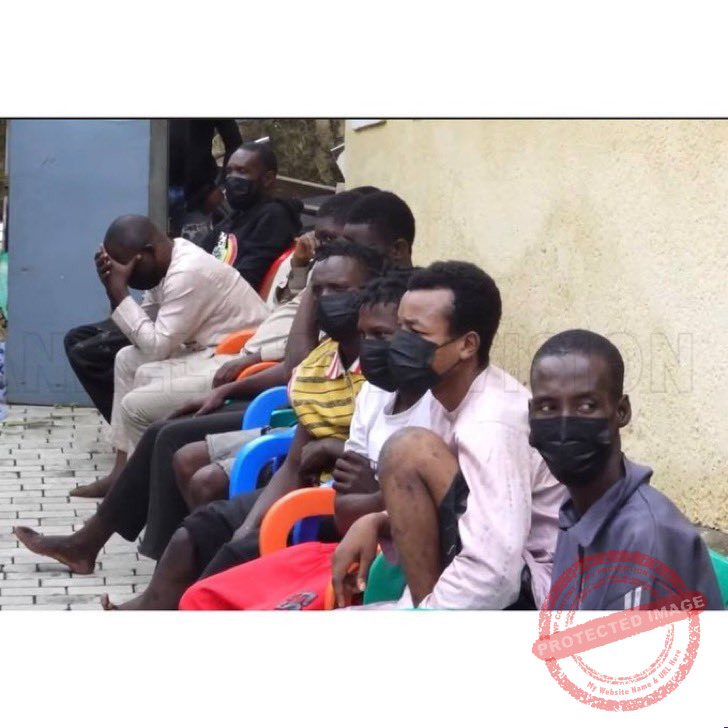
The arrests followed a sting operation by operatives of the Force Intelligence Department’s Special Tactical Squad in Auta Balefi, Karu Local Government Area, as investigators moved to uncover an alleged network involved in recruiting people for kidney transplants.
Police said the operation took place at about 6 p.m. and resulted in the arrest of several suspects allegedly connected to a recruitment network operating between Nasarawa State and Abuja.
Among those presented by the police were Emmanuel Odi, also identified in some reports as Odey or Odeh, 25, described as a suspected recruiter; Dr. Benjamin Oime, 40, identified as a kidney specialist from Edo State; Dr. Daniel Oba, also reported as Otupa, 53, another kidney specialist; and David Idoko, 25.
Police said investigators were examining the suspects’ alleged roles in connecting potential kidney donors with people seeking transplants.
Authorities also said they recovered clothing and other items which investigators believe may have been purchased with proceeds allegedly linked to the suspected operation.
The police investigation has drawn particular attention because investigators alleged that one of the suspected recruiters had previously been involved in an organ donation transaction himself.
According to police accounts, Odi allegedly told investigators that he sold one of his kidneys in 2022 for about ₦7 million before subsequently becoming involved in recruiting other people.
Police further alleged that he recruited a man identified as Samuel Ezekiel in April 2026 for a procedure in which Ezekiel was reportedly paid about $1,250, equivalent to approximately ₦1.7 million at the time.
Another individual identified as David also reportedly alleged that he was taken to a hospital in 2022, where one of his kidneys was removed and he was subsequently paid about ₦7 million.
These accounts remain allegations and form part of an ongoing investigation. The suspects have not been convicted of any offence.
The case has also raised questions about how potential donors were allegedly recruited and whether some vulnerable young people were persuaded to undergo procedures without fully understanding the medical and legal implications.
One person who spoke about his experience after the operation alleged that Odi deceived him into travelling to a clinic in Abuja, where documents were signed before money was eventually handed over.
However, a consultant associated with the clinic reportedly told journalists that the facility provides regulated transplant services and that donors involved in its procedures had given consent.
The medical facility’s position is significant because a legitimate kidney transplant and an illegal organ-trafficking operation are not the same thing.
Medical transplantation can be lawful when carried out within Nigeria’s regulatory framework, with appropriate medical assessment, informed consent and other legal safeguards. The alleged commercial buying and selling of human organs is a separate matter and is the focus of the police investigation.
Police have not publicly established criminal liability against every medical professional or facility mentioned in reports circulating online.
The arrests have nevertheless intensified public concern over alleged kidney trafficking in communities around the Abuja-Nasarawa corridor.
The issue gained renewed attention following social media discussions and allegations involving young people who claimed they had undergone medical examinations and subsequently discovered that they had only one kidney.
Social media commentator VeryDarkMan has also previously drawn attention to allegations surrounding suspected kidney-related cases in the Abuja and Nasarawa areas, prompting calls for law-enforcement agencies to investigate.
However, authorities have cautioned members of the public against accepting every claim circulating online as fact.
The FCT Police Command previously warned against viral claims suggesting that extremely large numbers of young people in areas including Mararaba, Nyanya and Karu had sold their kidneys.
Police said members of the public should distinguish between verified investigations and unsubstantiated social-media allegations.
The latest arrests are therefore expected to form part of a broader investigation aimed at establishing whether an organised network existed, how potential donors were recruited, where procedures allegedly took place and whether other individuals were involved.
Investigators are also expected to establish the identities of any alleged intermediaries, medical personnel or other individuals who may have facilitated unlawful transactions.
The case has highlighted the vulnerability of people experiencing financial hardship to potentially dangerous offers of quick money.
Health professionals have repeatedly warned that kidney donation is a serious medical decision that requires proper medical evaluation and informed consent. Removing a kidney is a major surgical procedure and is not a routine way of raising money.
Authorities are urging anyone who believes they have been targeted or exploited in an alleged organ-trafficking scheme to report the matter to law-enforcement agencies rather than publishing unverified names and accusations online.
The police investigation remains ongoing, and further arrests or charges could follow as investigators examine evidence obtained during the operation.
For now, the central question remains whether the suspects arrested in Nasarawa were part of a wider illegal organ-trading network and, if so, how extensive the alleged operation was.
The case is expected to receive further attention as police continue investigating the allegations and determining which individuals, if any, will ultimately face prosecution.
 Shola Akinyele












 WhatsApp us
Comments