in

Iran Strikes Bahrain Oil Facility as Explosions Hit Tehran — Trump Issues Final Hormuz Deadline

Rising Middle East tensions shake global oil markets as diplomacy struggles to keep pace with escalating military actions

Follow
( 0 Followers )
X

Follow

E-mail : *

Tensions in the Middle East surged dramatically after Iran launched a ballistic missile and drone attack on Bahrain’s strategic oil infrastructure, while fresh explosions rocked Tehran amid ongoing U.S. and Israeli military operations, raising fears of a wider regional conflict.

The strike targeted the BAPCO Energies oil storage facility in Sitra, a critical hub for Bahrain’s energy sector. Authorities confirmed that one of the storage tanks was hit, triggering a large fire that sent thick black smoke into the sky. Emergency response teams quickly brought the blaze under control, and officials reported no casualties, although assessments of structural damage are still ongoing.

The attack marks a significant escalation in Iran’s retaliatory campaign, directly targeting Gulf oil assets and heightening concerns about the security of energy infrastructure across the region.

Hours after the Bahrain strike, multiple explosions were reported in western Tehran near Mehrabad International Airport, with visible smoke plumes and emergency deployments suggesting continued U.S. and Israeli strikes on Iranian positions.

Amid the intensifying military exchanges, diplomatic efforts led by Pakistan have shown cautious signs of progress. Iran’s Foreign Minister, Seyed Abbas Araghchi, dismissed reports that Tehran had rejected talks in Islamabad, stating that Iran has “never refused” dialogue and remains appreciative of Pakistan’s mediation role.

However, Araghchi made it clear that Iran is not interested in temporary ceasefires, insisting instead on firm guarantees for what he described as a “conclusive and lasting” end to the conflict. Pakistan’s Foreign Minister, Mohammad Ishaq Dar, welcomed Iran’s clarification, noting that diplomatic channels remain open despite the absence of scheduled talks.

Iran has continued to reject short-term proposals reportedly backed by the United States, including a 45-day ceasefire framework, while maintaining a hardline stance on the strategically vital Strait of Hormuz. Iranian officials have warned that the waterway may never return to normal operations for the U.S. and its allies.

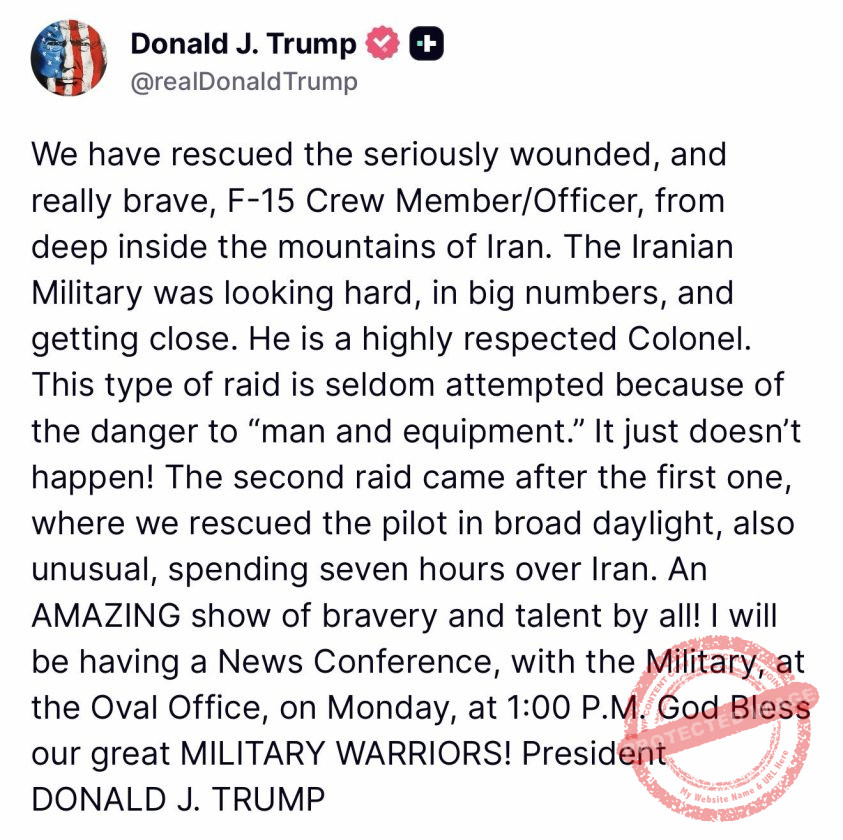
Meanwhile, U.S. President Donald Trump has intensified pressure on Tehran, issuing a final deadline of April 7 at 8 PM ET for Iran to reopen the Strait of Hormuz. Trump warned that failure to comply could trigger devastating military strikes on Iranian infrastructure, signaling that patience in Washington is rapidly diminishing.

Iran has responded defiantly, vowing that its next wave of attacks against U.S. and Israeli targets will be “much more forceful.” Reports have also emerged of threats against major regional assets, including a warning targeting a multibillion-dollar AI infrastructure project in Abu Dhabi.

Global markets reacted swiftly to the escalating crisis. Oil prices surged sharply, with U.S. West Texas Intermediate crude climbing above $114 per barrel as traders reacted to fears of prolonged disruption to the roughly 20% of global oil supply that passes through the Strait of Hormuz.

As the April 7 deadline approaches, the situation remains highly volatile. With military actions intensifying and diplomatic efforts struggling to gain traction, the region stands on the brink of a potentially far-reaching conflict with serious implications for global energy supply and economic stability.

Follow Us on Social Media

Author

Written by Shola Akinyele

Comments

Leave a Reply

Leeds United Shock West Ham in Epic Shootout to Reach FA Cup Semi-Finals After 39-Year Wait

NDLEA Busts Lagos Drug Syndicate: Cocaine Hidden in Palm Kernel Extract Meant for UK Seized