
 Shola Akinyele

Follow
X
Follow
U.S. intelligence agencies are warning that Iran may be attempting to recover a significant stockpile of highly enriched uranium buried beneath the heavily damaged Isfahan Nuclear Technology Center, a development that could dramatically escalate tensions in the Middle East.
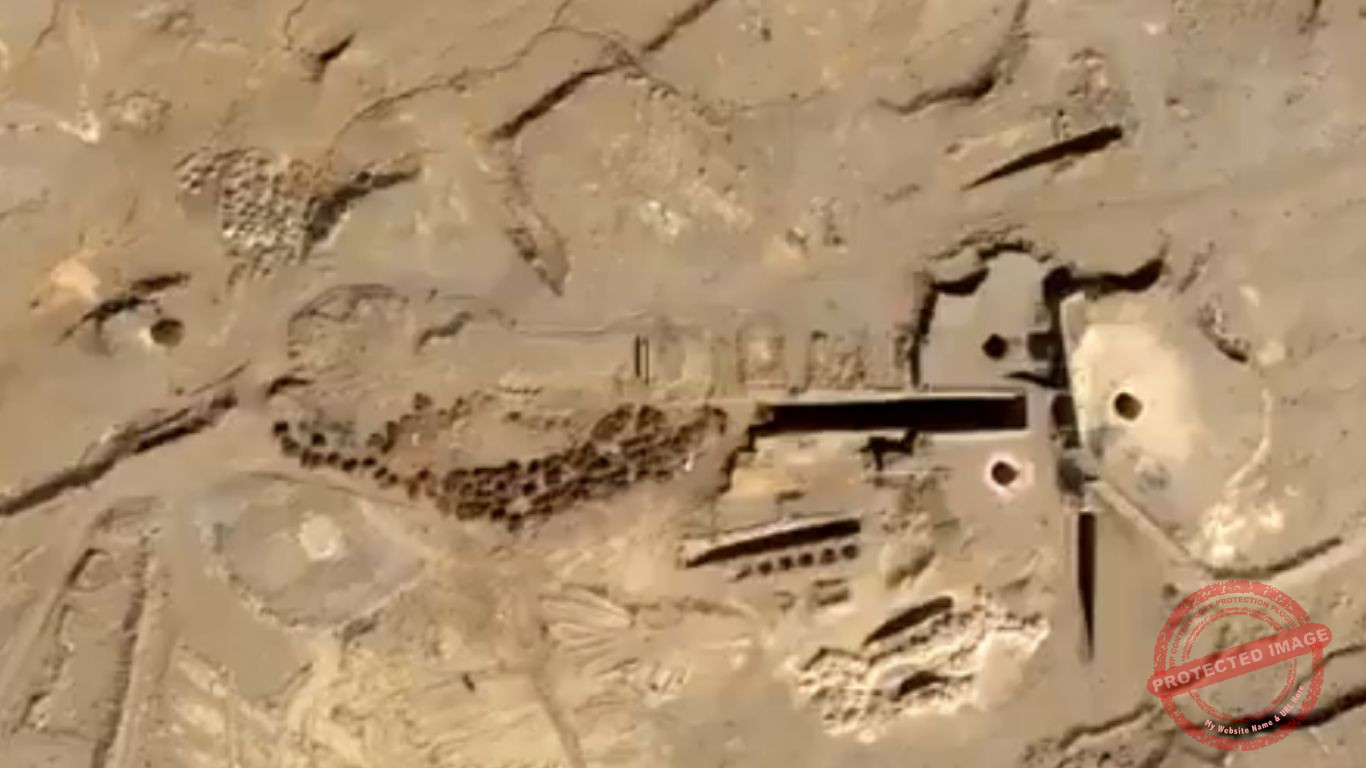
Newly analyzed satellite imagery indicates renewed excavation and reinforcement activity around the Iranian nuclear complex months after devastating U.S. airstrikes targeted the facility in June 2025. Analysts say the construction patterns suggest Tehran may be trying to regain access to nuclear material believed to be trapped within underground tunnels.
Experts reviewing the imagery, including specialists from the Institute for Science and International Security, have identified fresh piles of earth near tunnel entrances, newly constructed roofing over previously damaged structures, and signs of digging or backfilling at key access points.
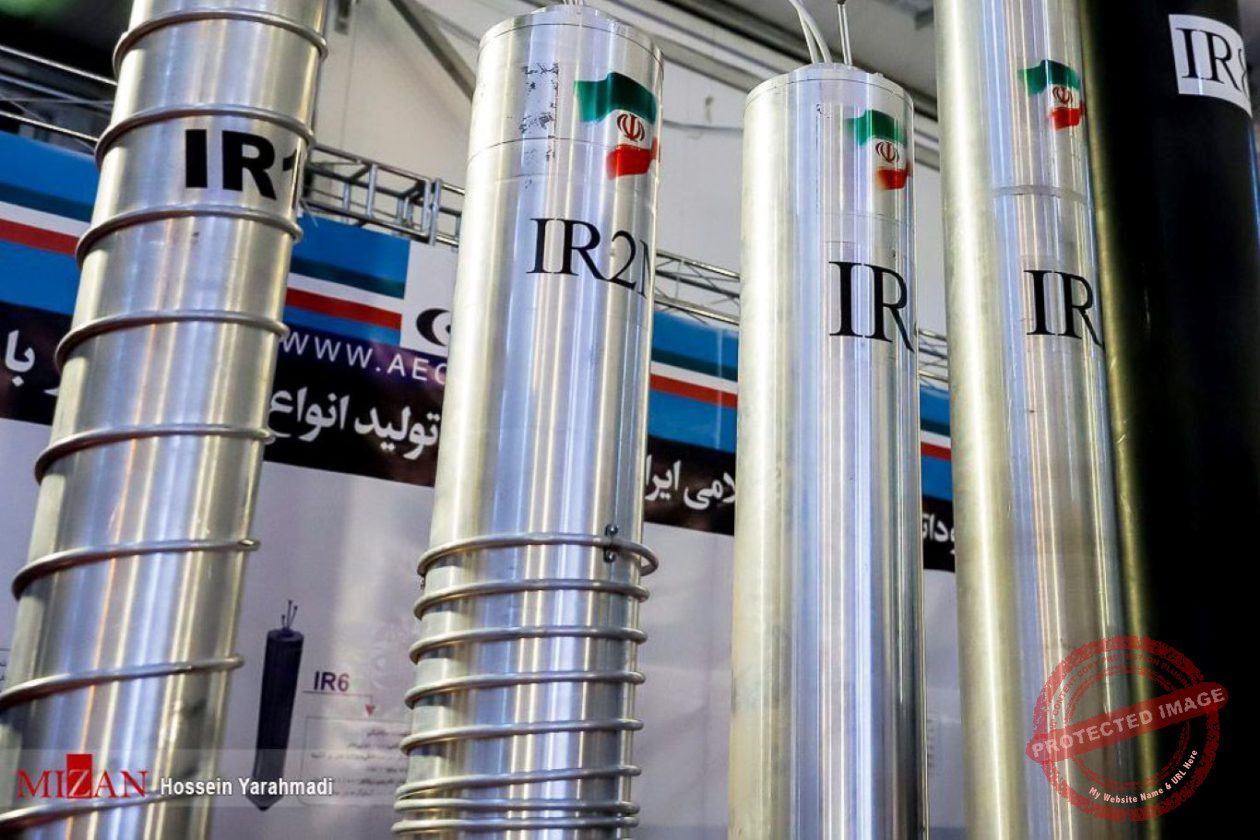
The activity has heightened concerns within U.S. intelligence circles that Iran could soon retrieve approximately 440 to 450 kilograms of uranium enriched to about 60 percent purity, material considered dangerously close to weapons-grade levels.
According to officials familiar with classified assessments, a narrow passage through the rubble may still allow access to the buried uranium stockpile. American surveillance assets are reportedly monitoring the site around the clock, with intelligence agencies expressing confidence they would detect any attempt to move the material.
The developments come as military tensions between the United States, Israel, and Iran continue to intensify.
President Donald Trump has openly suggested that the United States could consider sending special operations forces to secure the uranium before Iran can recover it. Speaking to reporters aboard Air Force One over the weekend, Trump hinted that such an operation remains under consideration.
“We haven’t gone after it,” Trump said. “At some point maybe, we will. For a very good reason.”
Reports from major international outlets indicate that the Trump administration is evaluating several potential strategies in coordination with Israeli allies. These options reportedly include deploying elite U.S. special operations units to seize the uranium stockpile, neutralizing it on-site through dilution, or removing the material from Iranian territory entirely.
Military analysts say the underground tunnels at the Isfahan Nuclear Technology Center—carved deep into mountainous terrain—present a complex challenge for airstrikes alone. While earlier bombing campaigns inflicted significant damage, experts warn they may not have fully eliminated the possibility that Iran could recover the remaining nuclear material.













 WhatsApp us