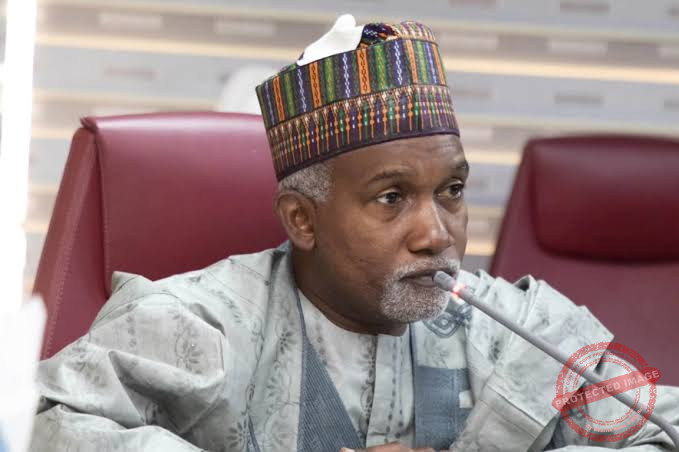
In a major disclosure highlighting deepened US-Nigeria counterterrorism ties, Foreign Minister Yusuf Maitama Tuggar confirmed that Nigeria provided the critical intelligence enabling United States airstrikes on Islamic State (ISIS) targets in northwest Nigeria on Christmas Day.
Speaking in interviews with local and international media, Tuggar detailed unprecedented coordination between Abuja and Washington. Mm
“It was Nigeria that provided the intelligence for the US strike,” he stated on Channels Television. He revealed personally speaking with US Secretary of State Marco Rubio for 19 minutes prior to the operation, consulting President Bola Tinubu for approval, and then holding a brief five-minute follow-up call with Rubio just before the strikes commenced.
President Tinubu granted the “go-ahead,” Tuggar emphasized, framing the action as a “joint operation” focused solely on combating terrorism – not tied to any religion or the holiday timing.
“This has nothing to do with a particular religion,” he told the BBC, adding that the strikes protect “innocent Nigerians” regardless of faith.
The precision airstrikes, conducted in Sokoto State near the Niger border, targeted ISIS-affiliated camps and killed multiple militants, according to US Africa Command (AFRICOM).
Video footage released by the US Department of War showed missiles launching from a naval vessel. President Donald Trump announced the operation on Truth Social, describing it as a “powerful and deadly strike against ISIS Terrorist Scum” accused of targeting Christians, while hinting at further actions.
Defense Secretary Pete Hegseth echoed this, posting: “More to come… Grateful for Nigerian government support & cooperation. Merry Christmas!”
Tuggar described the strikes as part of an “ongoing process” and “new phase” in bilateral efforts, signaling potential for additional joint operations with the US and other partners. He noted the planning had been underway “for quite some time,” aligning with Nigeria’s long-standing calls for enhanced international support against jihadist threats in the Sahel and northwest regions. While hailed by officials as a boost to security, the strikes have sparked debate. Local reports mention impacts on farmlands and residential areas in Sokoto villages like Jabo, with no confirmed civilian casualties yet.
Analysts note the northwest’s violence often involves criminal banditry intertwined with ISIS links, affecting predominantly Muslim communities – complicating narratives of targeted religious persecution.
This development marks a shift in US engagement under the Trump administration, following recent warnings about threats to Christians in Nigeria.
As details emerge, it underscores Abuja’s proactive role in inviting foreign precision support to address persistent insurgencies.

 Shola Akinyele
121 Views
Shola Akinyele
121 Views












 and then
  WhatsApp us