
 Shola Akinyele

Follow
X
Follow
In a landmark development that is already generating global debate, the Jehovah’s Witnesses have officiallly eased a decades-long restriction on the medical use of blood, allowing members to decide whether to store and reuse their own blood during surgery.
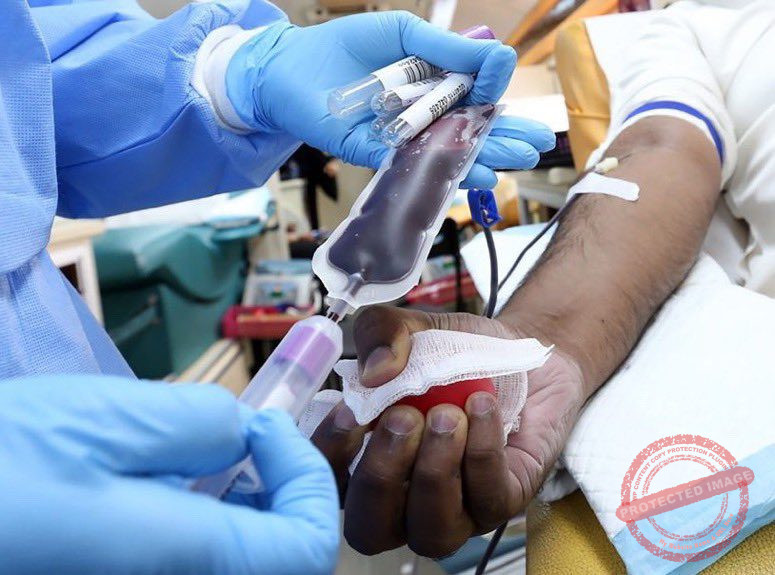
The announcement was delivered by Gerrit Lösch as part of Governing Body Update #2 for 2026, published on the organization’s official platform. According to Lösch, the updated guidance makes it a personal decision for each member to determine how their own blood is handled in medical situations, including whether it can be removed, stored, and reinfused during procedures.
This change marks the first significant shift in more than 75 years in a doctrine that has long defined the faith’s approach to healthcare. For decades, Jehovah’s Witnesses have refused blood transfusions based on their interpretation of biblical teachings, particularly Acts 15:28-29, which instructs believers to abstain from blood. The prohibition historically extended not only to donor blood but also to autologous transfusions—procedures involving a patient’s own stored blood.
Under the new clarification, members may now choose to undergo such procedures as a matter of conscience, especially in planned surgeries where significant blood loss is anticipated. However, the organization emphasized that its core teaching remains unchanged, as transfusions involving blood from other individuals—including major components like red cells, plasma, platelets, and white cells—are still strictly forbidden.
The policy adjustment is already drawing mixed reactions across the global community of approximately 9.2 million adherents. Supporters within the faith describe it as a compassionate and practical update that aligns medical realities with personal responsibility, potentially reducing health risks during complex surgical procedures. Others, particularly former members and critics, argue that the shift raises difficult ethical questions about past enforcement of the doctrine and its consequences.
Medical experts say the change could significantly improve how doctors manage the care of Jehovah’s Witness patients, especially in elective operations. By permitting the use of a patient’s own blood, the update may reduce dependence on alternative methods such as bloodless surgery techniques, which have often been the only viable option under the previous rules.
Despite being framed as a “clarification” rather than a reversal, the decision represents one of the most consequential doctrinal adjustments in the modern history of Jehovah’s Witnesses. It is expected to influence both medical planning and internal religious discussions for years to come.
This is a developing story. Stay with us for more updates.














 and then
  WhatsApp us