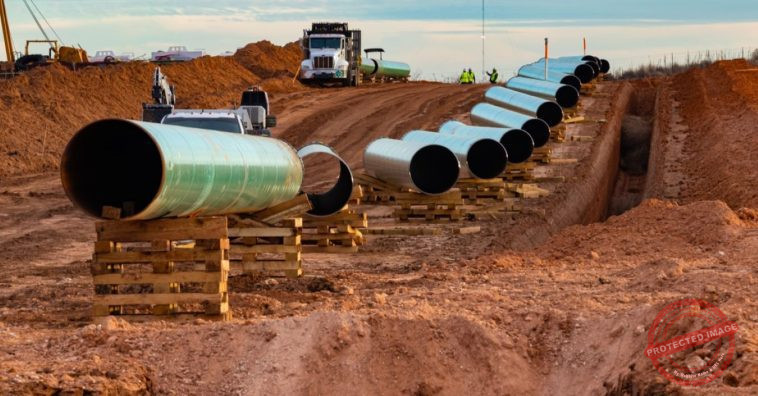
In a historic move that’s reshaping Africa’s energy future, Uganda and Tanzania are jointly constructing the world’s longest heated crude oil pipeline — a $5 billion mega-infrastructure project that has now reached 64.5% completion.
Known as the East African Crude Oil Pipeline (EACOP), the 1,443-kilometer pipeline will transport oil from Uganda’s Lake Albert oilfields in Hoima to the Tanga Port in Tanzania, boosting regional trade, energy independence, and economic power. When completed in 2027, EACOP will carry up to 246,000 barrels of oil per day, or over 90 million barrels annually — making Uganda a net oil exporter for the first time in its history.
Beyond its global engineering feat, the project is being hailed as a transformational venture for East Africa. Tanzania stands to gain significantly through transit fees, local infrastructure development, and thousands of new jobs as the pipeline cuts across its territory to the coast.
The pipeline is backed by a powerful international consortium including TotalEnergies (62%), the Uganda National Oil Company (15%), Tanzania Petroleum Development Corporation (15%), and China National Offshore Oil Corporation (CNOOC) (8%).
In addition to the export pipeline, Uganda plans to build a refinery in Hoima to process oil for local consumption, reducing dependency on imported fuel and ensuring energy access for millions.
Once operational, EACOP will not only be a landmark for crude transportation but a bold symbol of Africa’s rising influence in the global energy landscape. It represents a future where East Africa controls more of its resources, drives its own growth, and redefines its role in global trade.

 Shola Akinyele
219 Views
Shola Akinyele
219 Views













 WhatsApp us