
 Shola Akinyele
Follow
U.S. lawmakers have sharply criticized Nigeria’s multimillion-dollar lobbying efforts in Washington, accusing the federal government of prioritising international image management over the protection of persecuted Christian communities, just days after a deadly attack in Kwara State left more than 160 people dead.
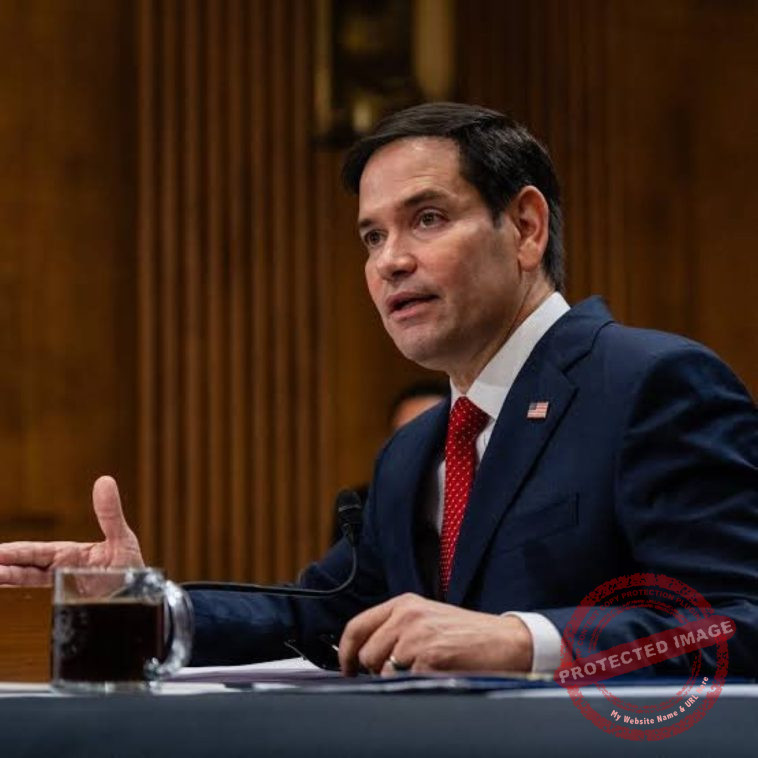
The rebuke came during a high-profile joint hearing of the U.S. House Foreign Affairs Subcommittees on Africa and the Western Hemisphere held on February 4, titled “Defending Religious Freedom Around the World.” The session focused heavily on Nigeria’s worsening security situation and persistent allegations of religiously motivated violence.
Chairman of the Africa Subcommittee, Rep. Chris Smith (R–New Jersey), drew attention to Nigeria’s recent lobbying contracts, including a $9 million deal—approximately $750,000 per month—with Washington-based lobbying firm DCI Group. The contract, reportedly arranged through Kaduna-based Aster Legal on behalf of Nigeria’s National Security Adviser, Nuhu Ribadu, is intended to brief U.S. officials on Nigeria’s counterterrorism efforts and claims of protecting Christian communities.
Lawmakers also referenced a separate $120,000-per-month agreement between Nigerian businessman Matthew Tonlagha, reportedly linked to Tantita Security Services, and Valcour Global Public Strategy, aimed at strengthening U.S.–Nigeria relations.
Rep. Smith condemned the spending, describing it as evidence of a “culture of denial” by Nigerian authorities in the face of ongoing violence. He cited Genocide Watch, which has previously described Nigeria as a major hotspot for killings of defenceless Christians, and warned that the lobbying appeared designed to influence Congress and the U.S. Executive Branch rather than confront realities on the ground.
The criticism follows closely after the reinstatement of Nigeria in October 2025 as a Country of Particular Concern (CPC) under the U.S. International Religious Freedom Act—a move Smith described as “bold” and “long overdue.”
The timing of the congressional hearing intensified public outrage. It came just days after coordinated attacks on Woro and Nuku villages in Kaiama Local Government Area of Kwara State, where suspected Lakurawa militants, reportedly linked to Islamic State affiliates, killed at least 162 residents, according to the Red Cross and local lawmaker Mohammed Omar Bio. Homes, places of worship, and public buildings were destroyed, while dozens of residents were abducted.
U.S. lawmakers noted that despite what they described as “small steps” by Nigerian authorities, communities in the Middle Belt and other regions remain under constant threat from extremist groups such as Boko Haram, ISWAP, and emerging jihadist factions in north-western Nigeria.
The Nigerian government has defended its lobbying engagements, insisting they are transparent and necessary to counter what it calls misinformation about religious persecution. Officials maintain that the violence is not targeted at any specific faith and point to ongoing military operations as evidence of commitment to national security.
The hearing also featured testimony from religious freedom advocates, including former U.S. Ambassador-at-Large Sam Brownback, who described Nigeria as one of the world’s deadliest countries for Christians. Critics argue that the millions spent on lobbying would be better directed toward border security, governance reforms, victim support, and development in affected communities.
As Nigeria grapples with rising insecurity, economic hardship, and renewed attacks across multiple regions, U.S. scrutiny has renewed calls for tougher sanctions, stricter aid oversight, and meaningful reforms ahead of the 2027 general elections.
The congressional hearing has since gone viral across Nigeria, triggering intense public debate over national priorities amid continuing violence and humanitarian crises.
Is this strategic diplomacy—or a costly distraction while communities remain under attack?













 WhatsApp us