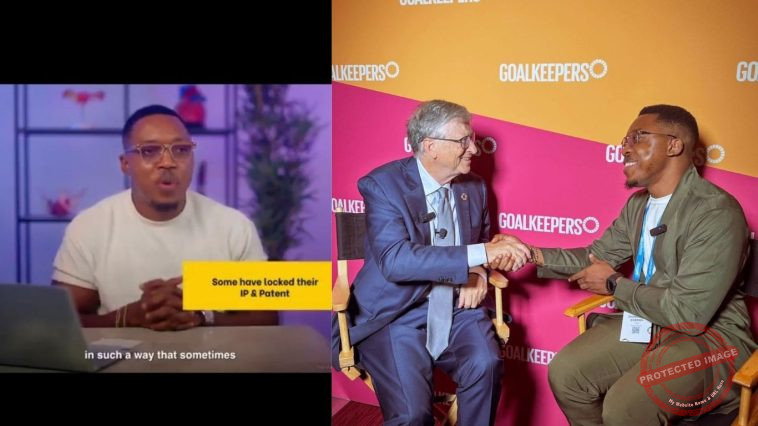
in ,

“Mutant Rice or Silent Risk?” – Aproko Doctor Faces Heat Over Bill Gates GMO Push in Nigeria

Medical influencer Aproko Doctor under fire as Nigerians question his support for GMOs following viral photos with Bill Gates—amid growing fears of health risks, soil damage, and foreign control over local agriculture.

Follow
( 0 Followers )
X

Follow

E-mail : *

The backlash intensified after Aproko Doctor, in a recent post, advocated for the adoption of GMOs while failing to address major concerns raised by critics and scientists globally. Instead, he focused largely on the positives of GMO crops, such as higher yield and reduced pesticide use, sparking accusations that he is “selling out” to foreign biotech interests.
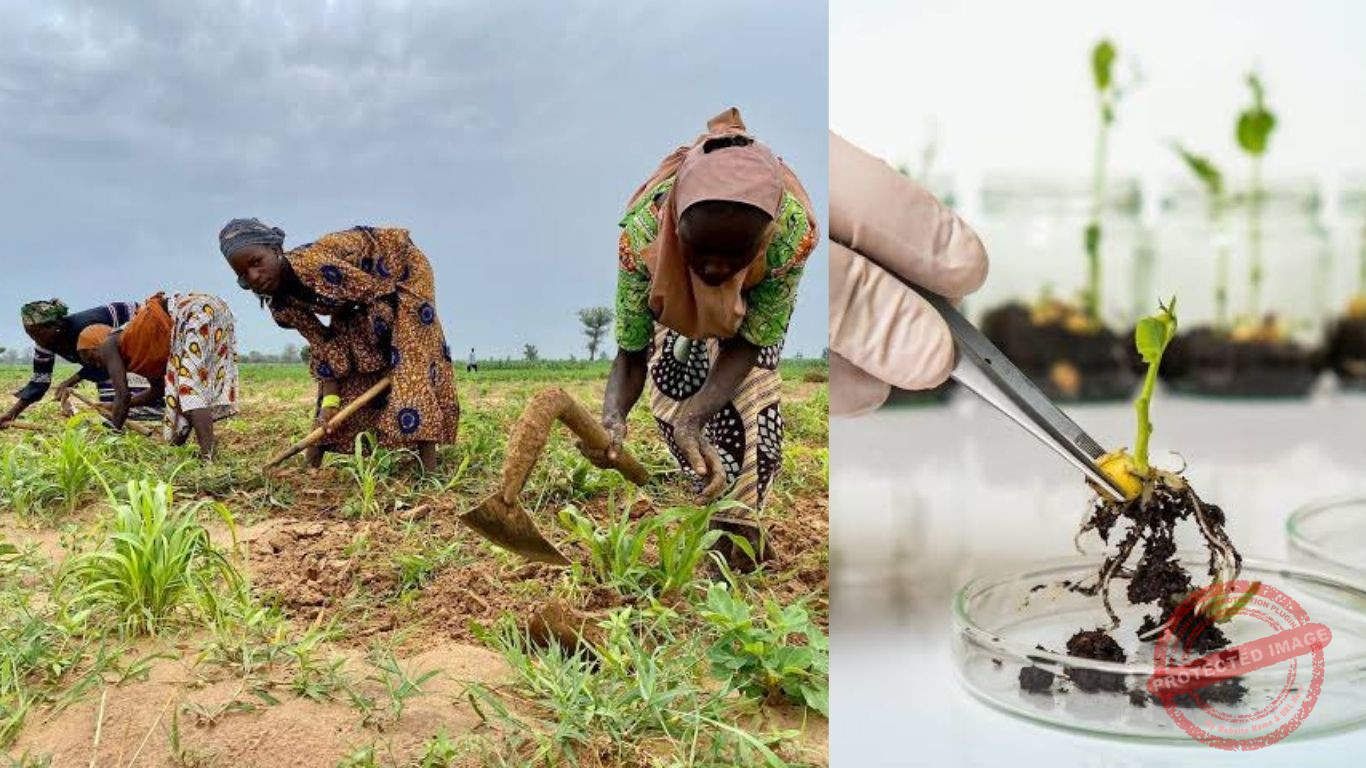
“Mutant Rice or Silent Risk?” – Aproko Doctor Faces Heat Over Bill Gates GMO Push in Nigeria

Social media users, including influential commentators, are questioning his silence on the risks, such as long-term health complications, environmental degradation, and economic dependency tied to GMO farming.

Critics argue that Aproko glossed over crucial issues, including the role of Glyphosate, a powerful herbicide many GMOs are engineered to resist. While not all GMOs contain it, most do and it’s been widely criticized for killing soil organisms, disrupting ecosystems, and posing health hazards to humans and wildlife alike.
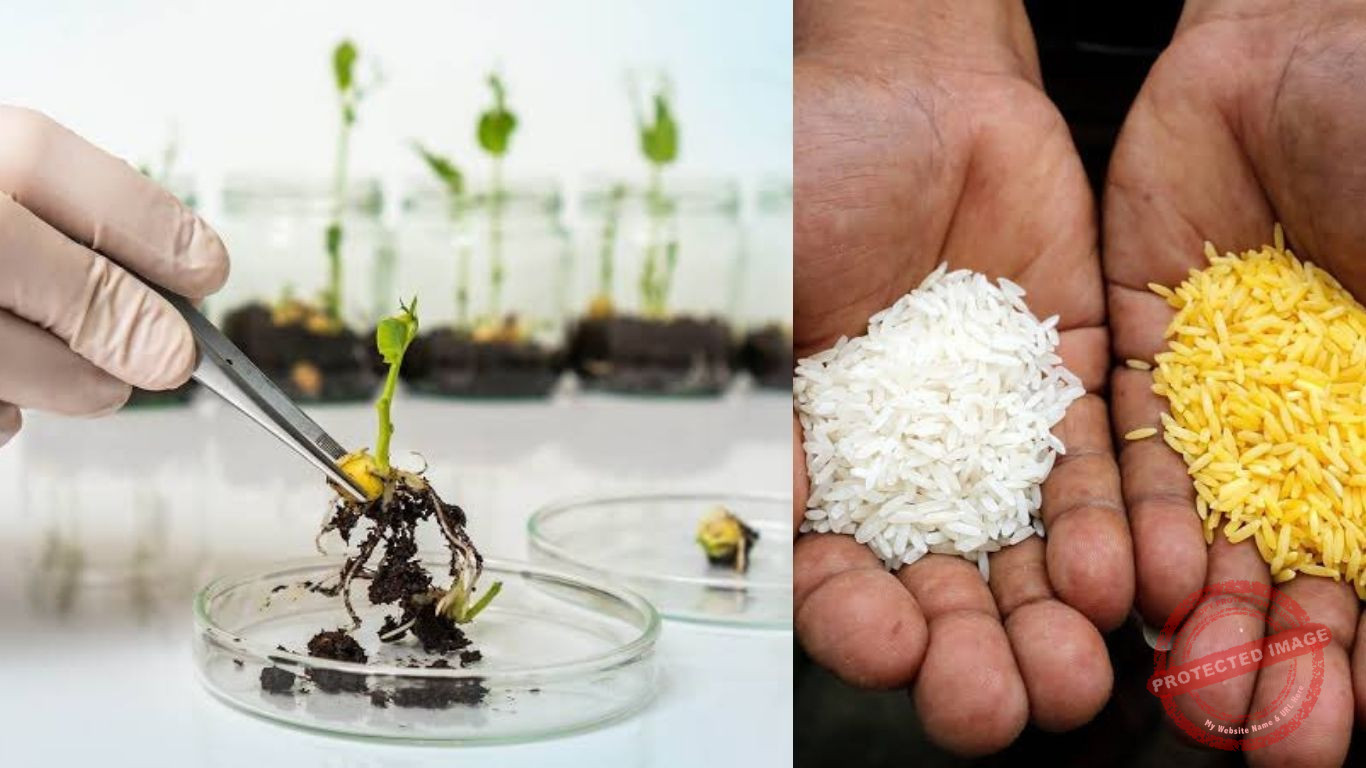

“Mutant Rice or Silent Risk?” – Aproko Doctor Faces Heat Over Bill Gates GMO Push in Nigeria

“He gave us all the pros but left out the cons. GMO is not Nigeria’s problem. Insecurity, poor funding, and corruption are,” one user stated on X (formerly Twitter).

Adding fuel to the fire is the fact that Nigeria doesn’t suffer from a GMO crisis. The country’s agricultural challenges are largely rooted in lack of access to finance, land insecurity, terrorism, and outdated technology, not in crop infertility or pest resistance.

Despite this, GMO giants like Monsanto (USA), Syngenta (Switzerland), and Bayer (Germany) heavily backed by pro-GMO advocates such as Bill Gates continue to push for wide adoption of GMO technology across Africa.

Furthermore, farmers may be trapped in perpetual dependency, as most GMO seeds are patented and cannot be replanted. This means for every new farming season, seeds must be repurchased, effectively handing over control of Nigeria’s food sovereignty to foreign biotech firms.

Environmental advocates also warn of the risk to biodiversity, citing that GMO farms planted near natural farmlands can damage or wipe out native crops due to soil contamination and cross-pollination.

“Nigeria doesn’t need GMO. We need funding, training, and protection for our farmers,” another X user posted.

In conclusion, Aproko Doctor’s promotion of GMOs whether paid or not has opened a larger conversation about the influence of foreign interests, the role of influencers in national health policy, and whether Africa truly needs imported biotech ‘solutions’.

For now, the people are asking:
If GMO isn’t solving our actual agricultural problem, why are we importing it?

Over to you, Doc.

Follow Us on Social Media

Author

Written by Shola Akinyele

BREAKING: WWE Icon Hulk Hogan Dies at 71 After Cardiac Arrest

“We Paid You ₦1M Monthly, Flew You First-Class—But You Scored Just 5 Goals!” — Enyimba FC Drags Brown Ideye Over Unpaid Bonus Claims